

5 Lessons from Open Sauce
When you gather makers in one place, what do you see?

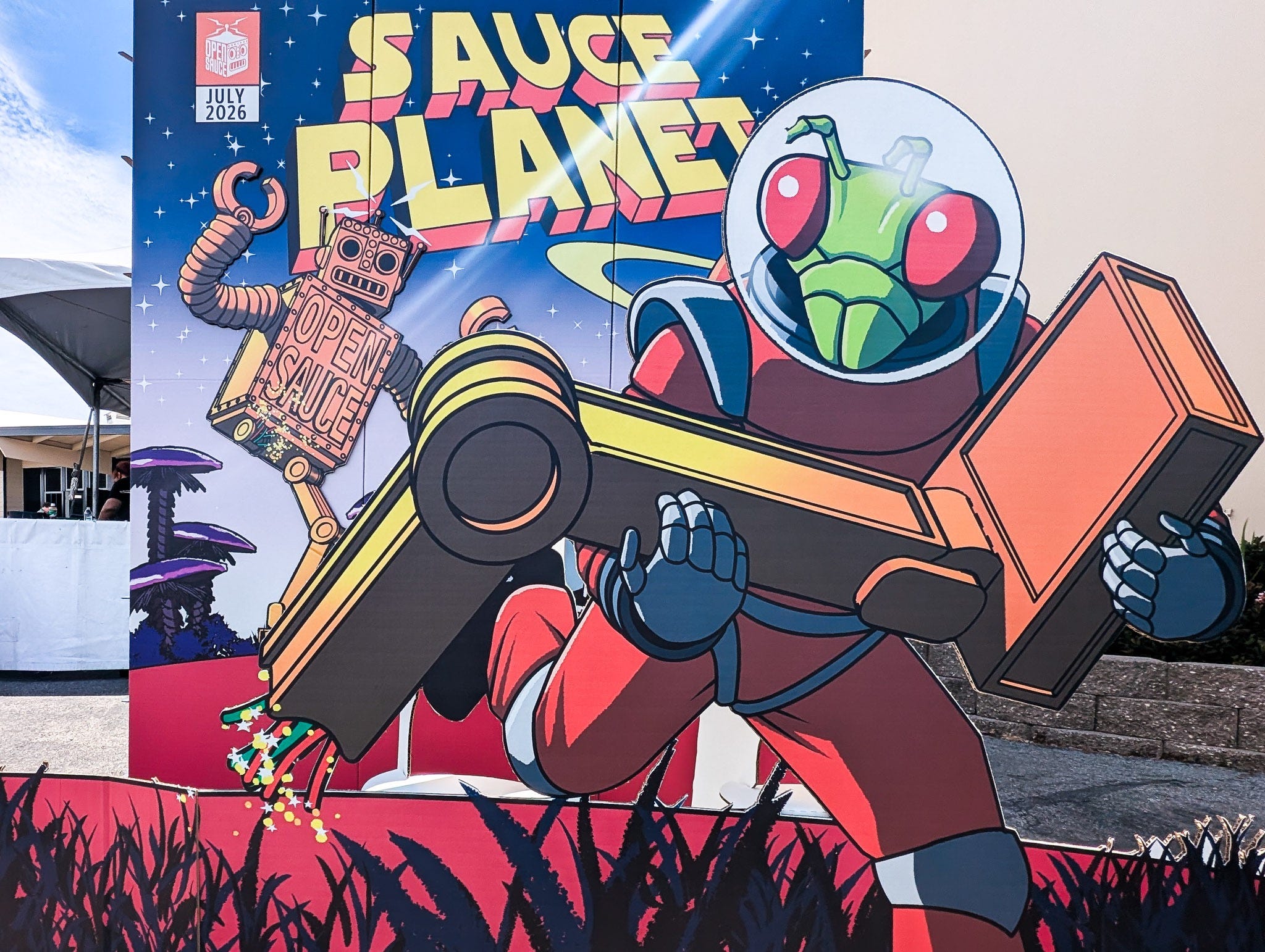
Spend three days marinating in maker madness and, once you’re removed and have had time to simmer a while, some distinct ideas are bound to emerge. Trends that may have been stewing below the surface begin to clarify. Themes that already were present get even louder. Too much at once and it overwhelms the senses. But with Open Sauce in the rearview mirror, here are 5 patterns that stood out.
1. 3D printing is the default
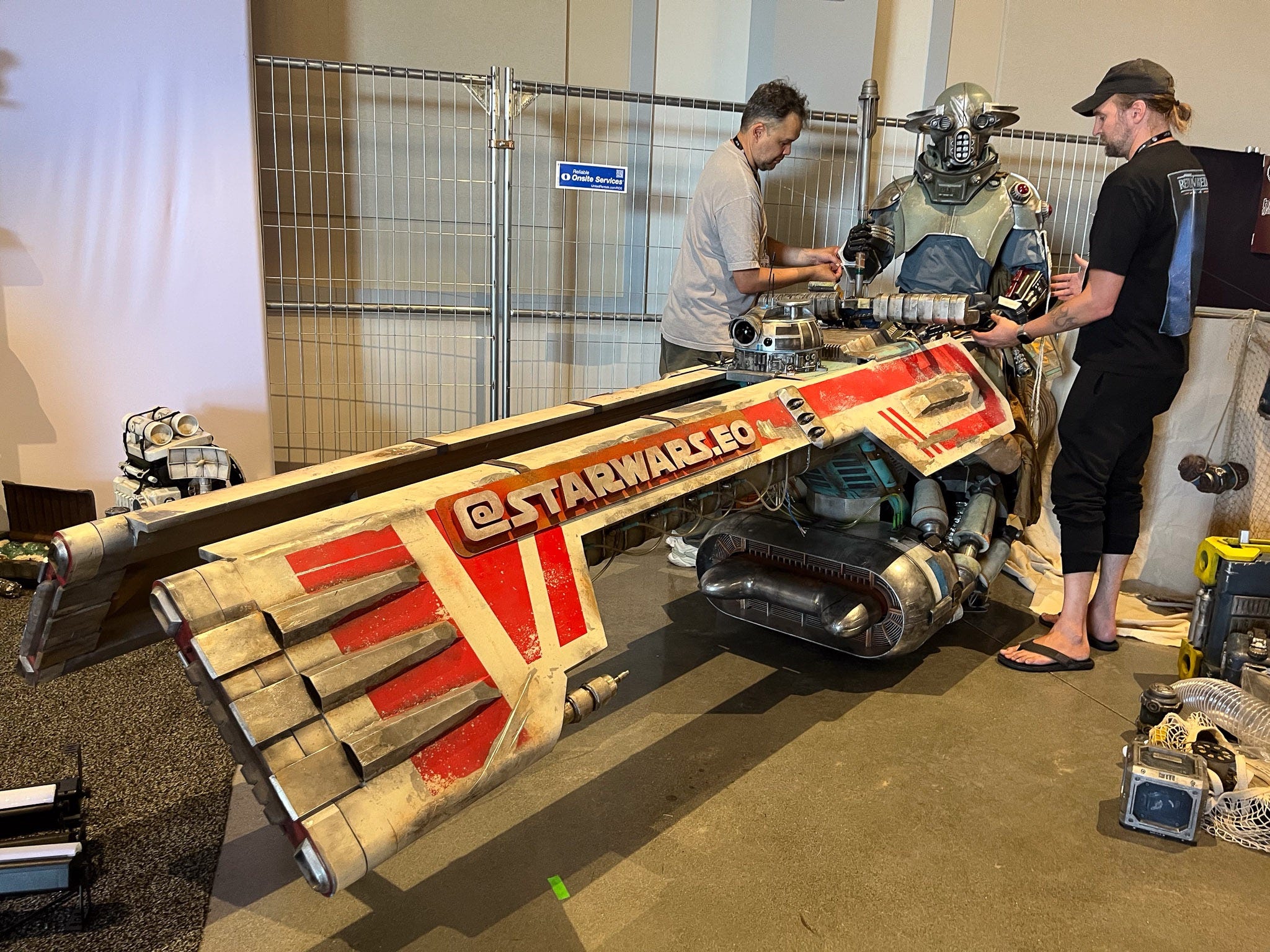
There are 3D printers all over the event, with tool changers, auto features, and wheels, even some riding robots. It was clear that it’s been years since 3D printing has been surprising. Anytime I saw a cool prop or a costume, my first assumption was that it was 3D printed. It was novel when it turned out they had made it out of wood or some other material. 3D printing just continues to get easier, and most 3D printer booths were less about the hardware and more about what you could do with it (especially Snapmaker and their huge collection of Star Wars fan props, and Elegoo’s booth co-branded with emoji™). It’s clearer and clearer that printing has become the default.
2. Machining is having its 3D printing moment
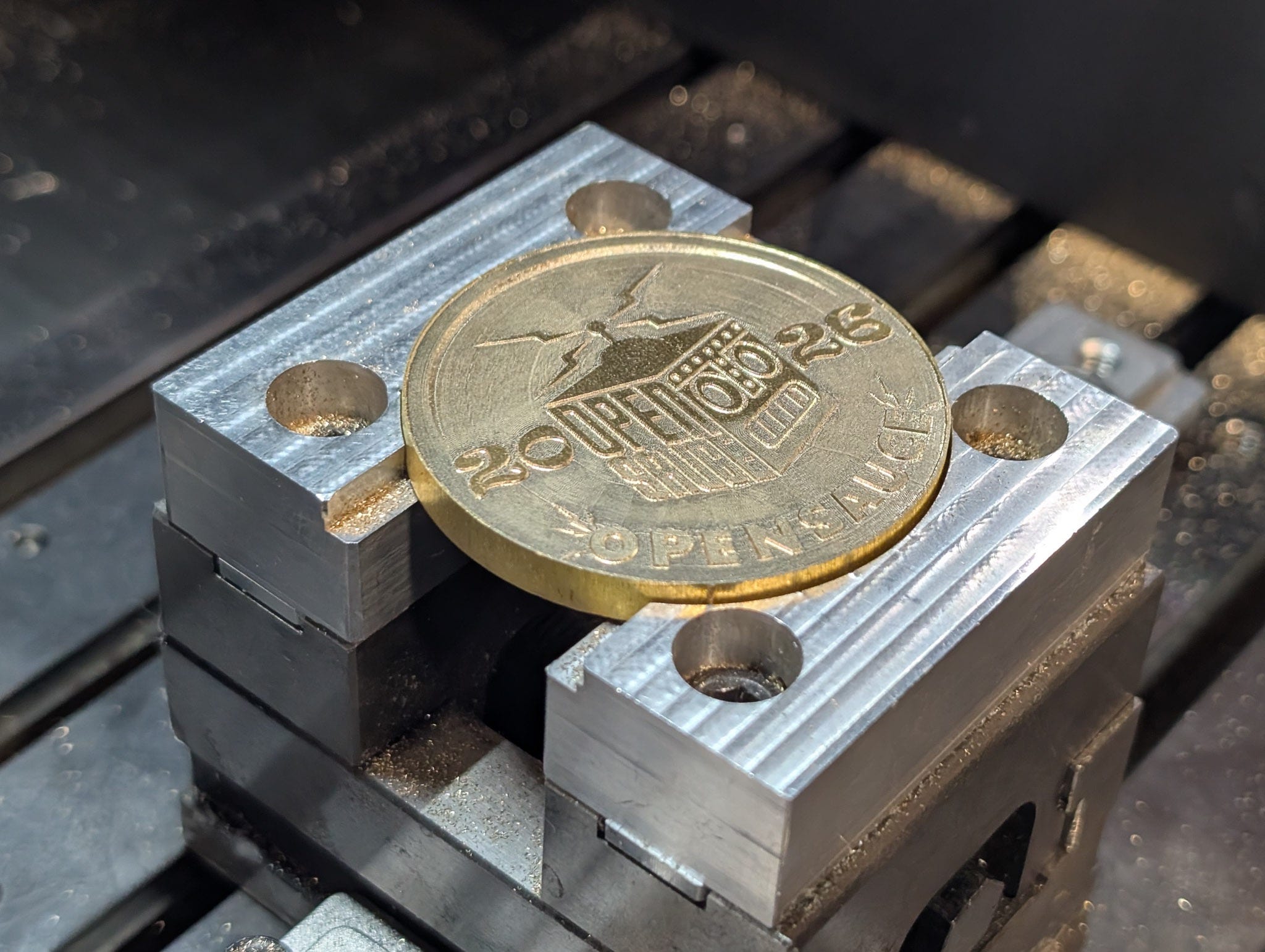
How long printing stays the default remains to be seen. There were at least three benchtop CNC milling machine companies. Two of which (Nestworks and Makera) were strongly focused on how easy their software made it for people. The hardware was also designed and built around keeping things as maintenance-free and idiot-proof as possible. It’s all designed to be used by somebody who has never touched a milling machine, but needed parts out of hardwood, aluminum, or brass. With Nestworks looking more refined than they did nine months ago and Makera on their third desktop machine, it’s not a crazy idea.
3. UV printing is looking for its flexi dragon
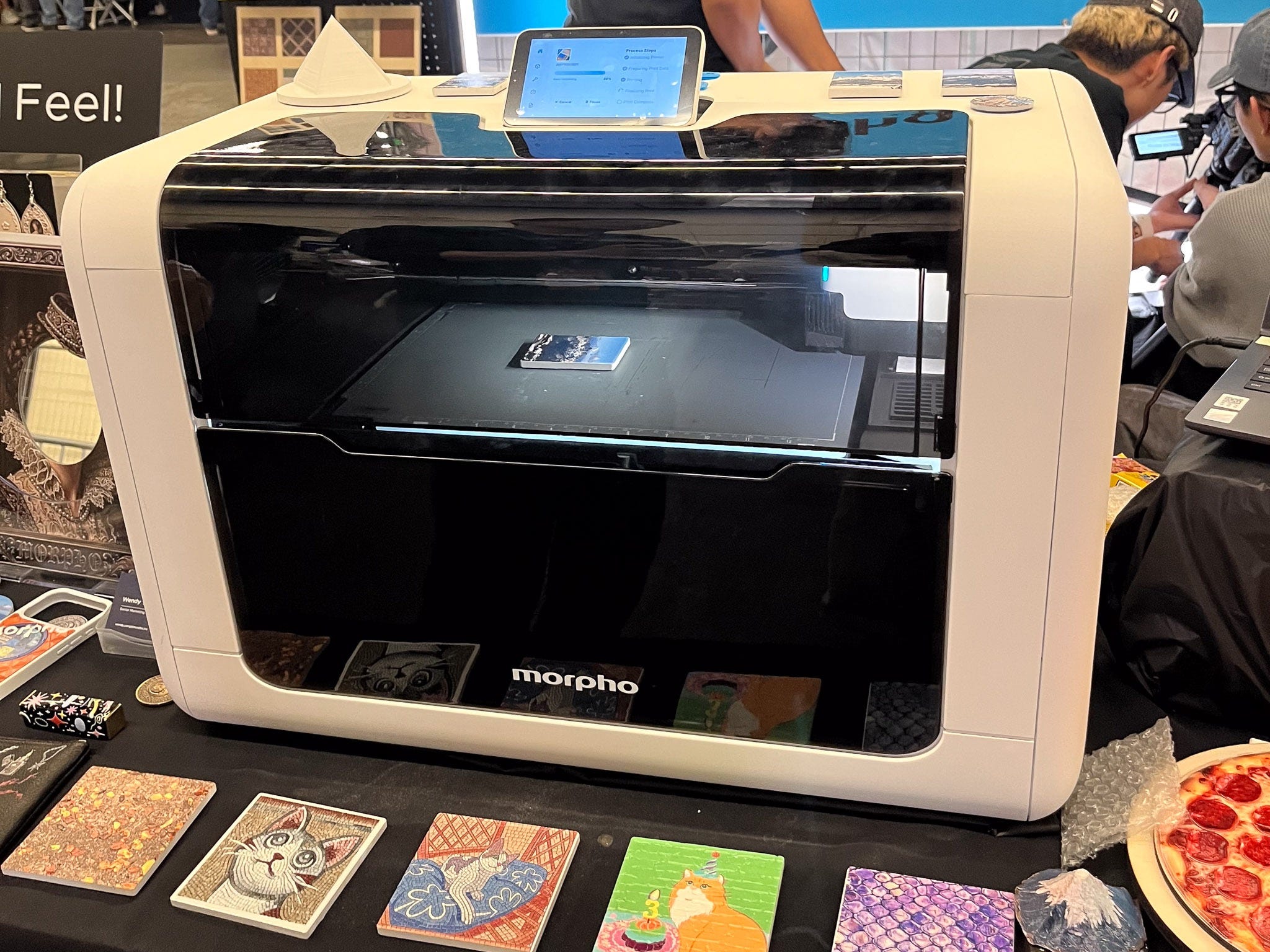
There were at least three companies showing off UV texture printers. All of them had samples of 2D art-with-texture, but they all felt to me like a solution looking for a problem. I think it’s possible that makers will create something great with them, but I’m still waiting to see what that is. They’re growing more capable with each new machine (Morpho can print up to 60mm high), but to me their ability to print on any substrate is more interesting than the ability to make textures.
4. People have different opinions about this AI thing
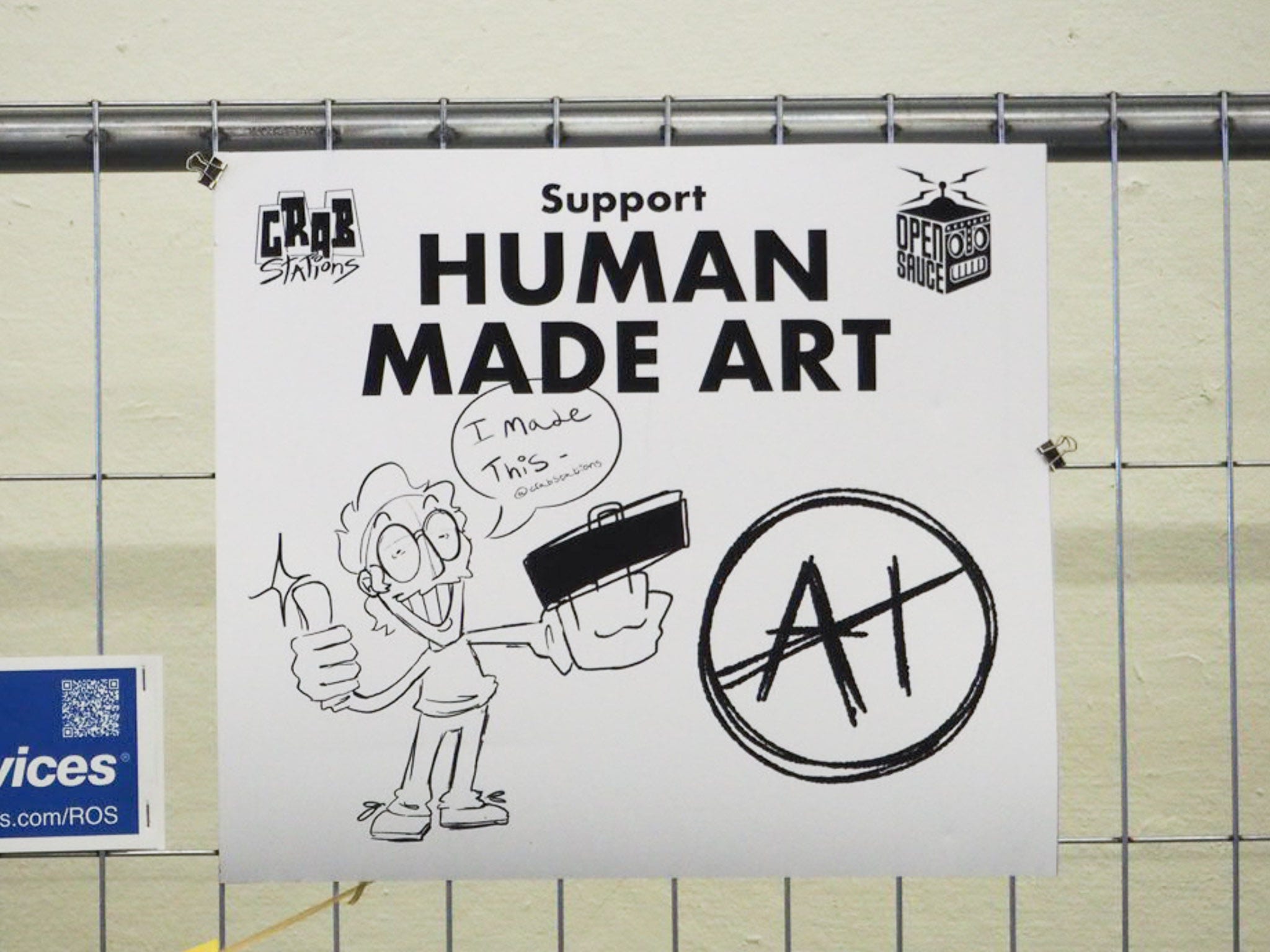
This one’s not really a revelation. AI was scattered everywhere, whether it was in robots taking voice commands, a chatbot for teens built with the help of other teens, or signs on artists’ booths declaring no AI was used. A couple of panels brought it up, with some speakers vehemently opposed to it. Perhaps not too surprising, some people take it as an attack on their core identity. The projects that kept it inside robots behind the scenes seemed to draw less ire; visual artists were the most loudly opposed. What bothers me is remembering how hard it once was to find spaces that championed art and engineering equally. It feels like AI is splitting that rift open again.
5. People need to get together
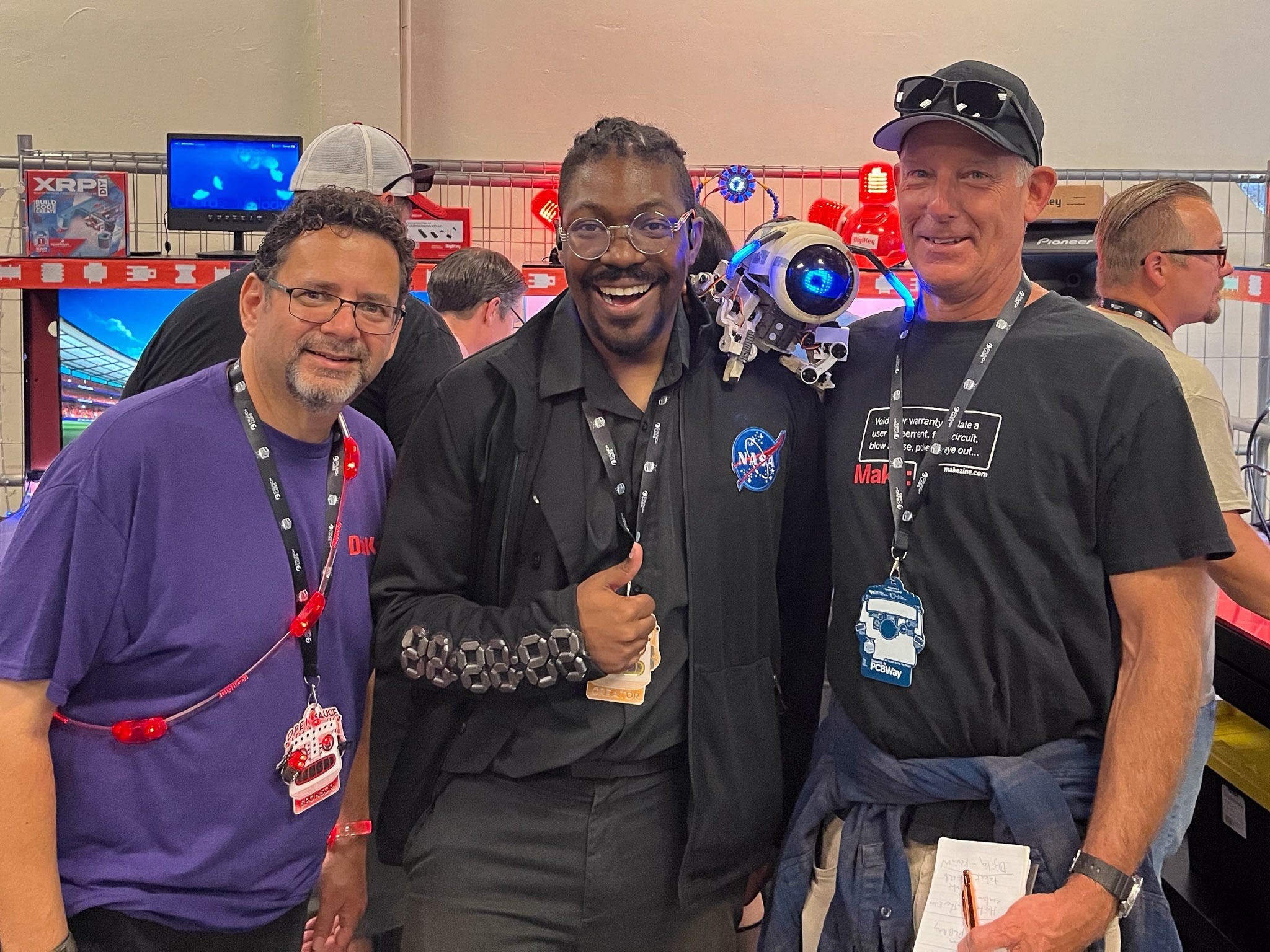
People love getting together in person. Again, this is no revelation, but it’s interesting to see how at an event fueled by virtual audiences, there’s so much focus on interaction. People came from all over, badges encouraged talking to creators, and more booths this year had activities for attendees. Makers built games for no other purpose than delighting visitors who stopped by. Whether it’s at Open Sauce, Makers Central, or one of 200+ Maker Faires around the world, people are wired for social interaction.
Good stuff. But we need to bring a full feature Maker Faire back to NYC, and in and around the New York Hall of Science. Because the small one in October and in a barely usable space at Coney Island in Brooklyn doesn't cut it.