

Radio Active
The California Historical Radio Society houses a museum, workshop, and so much more!

When I was a kid and occasionally (read: often) got in trouble, I’d get sent to my room and not be allowed to watch TV. Back in ye olden days before on-demand streaming and even cable, if you missed an episode of The A-Team, you’d never know if their plan came together unless the episode randomly aired as a rerun. I’ve never admitted this before, but it actually wasn’t much of a punishment because I cheated: I had a radio whose dial went low enough to pick up TV audio.
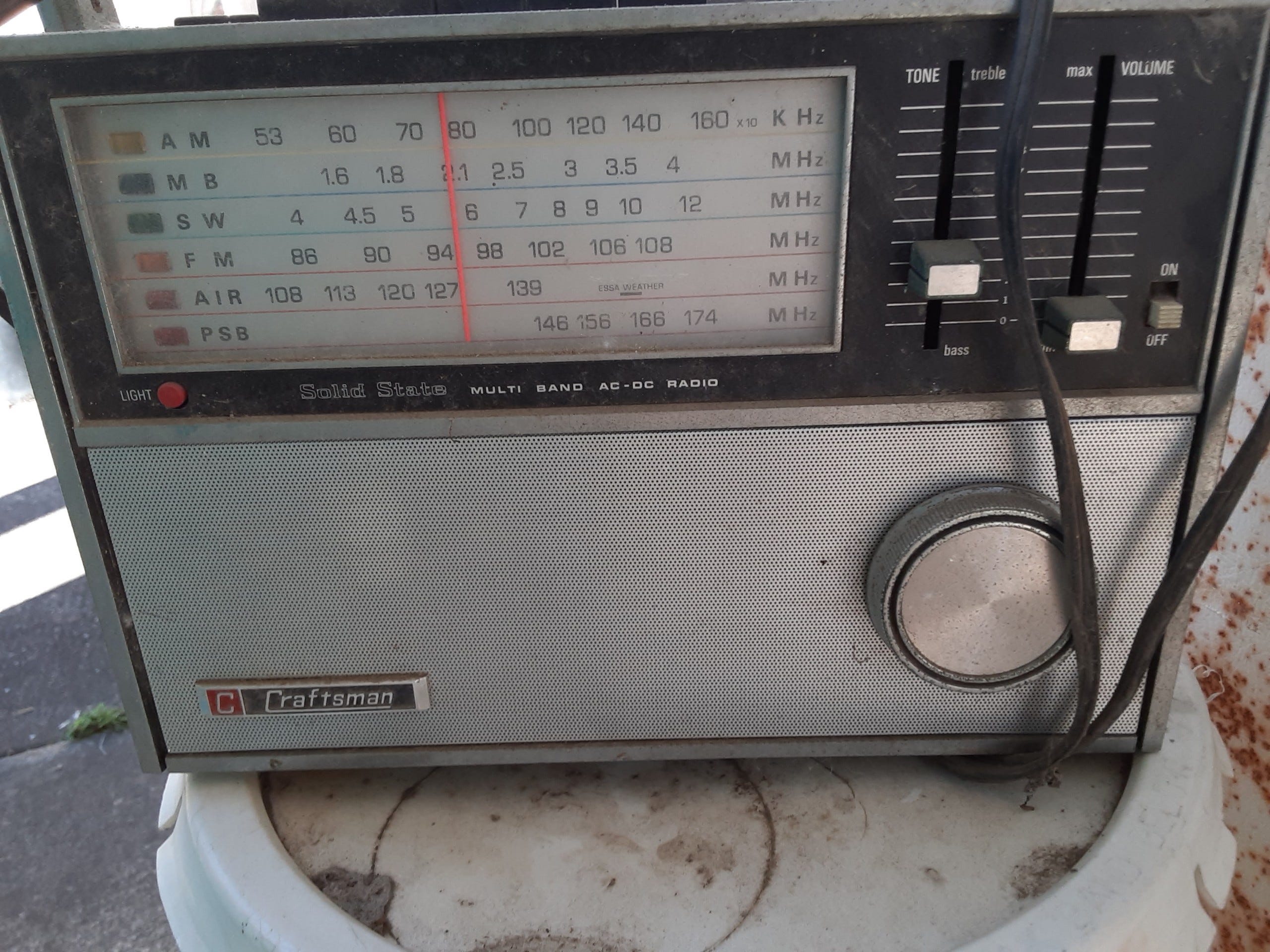
While I’m not old enough to have huddled around a radio listening to The Jack Benny Program, I do have memories of laying in the dark listening to a young Michael J. Fox crack wise on Family Ties, picturing him in a coat and tie and hopping up on the kitchen counter. And later when I was in high school, I’d listen to San Francisco radio stations on my old Jensen stereo. I lived 90 miles away in Sacramento so the signals were weak, but that was the only way I could experience dance mixes on KMEL and modern rock on Live 105. Radio connected me to pop culture beyond my hometown.
So imagine my delight when I recently stumbled upon a hidden gem in the SF Bay Area suburb of Alameda: The California Historical Radio Society (CHRS). Part museum, part broadcasting hall of fame, and part workshop, the CHRS is the caretaker of an amazing collection of technological artifacts and social history.
Executive Director Rachel Lee and Project Manager Steve Kushman showed me around their facility and its amazing collection of vintage electronics. Lee said that people are surprised by the sheer number of radio artifacts housed in their building, and I certainly was. Walk through the front door, and you’re greeted by pieces from the early days of consumer radio:


“Our mission is two-pronged: It’s preservation and it’s also education,” explained CHRS Executive Director Rachel Lee. “We want to preserve everything that we have here, but we also want to educate everyone on the history of [contemporary] tech. I believe that the more we know about our foundations, the more creatively we can think about the future.”
Part of the preservation aspect is repairing vintage radios — and better yet, teaching how to repair them. “The two things that bring people here is to teach and to learn,” said Lee. “People either have really specialized knowledge and want to share it, or conversely they see people here that have this really specialized knowledge and they’d like to learn it.”
That’s certainly on display down the hall, where their workshop is filled with repair projects. A team of 25 volunteers lend their electronics expertise to repair and recondition radios, bringing new life to vintage equipment and preserving its craftsmanship.
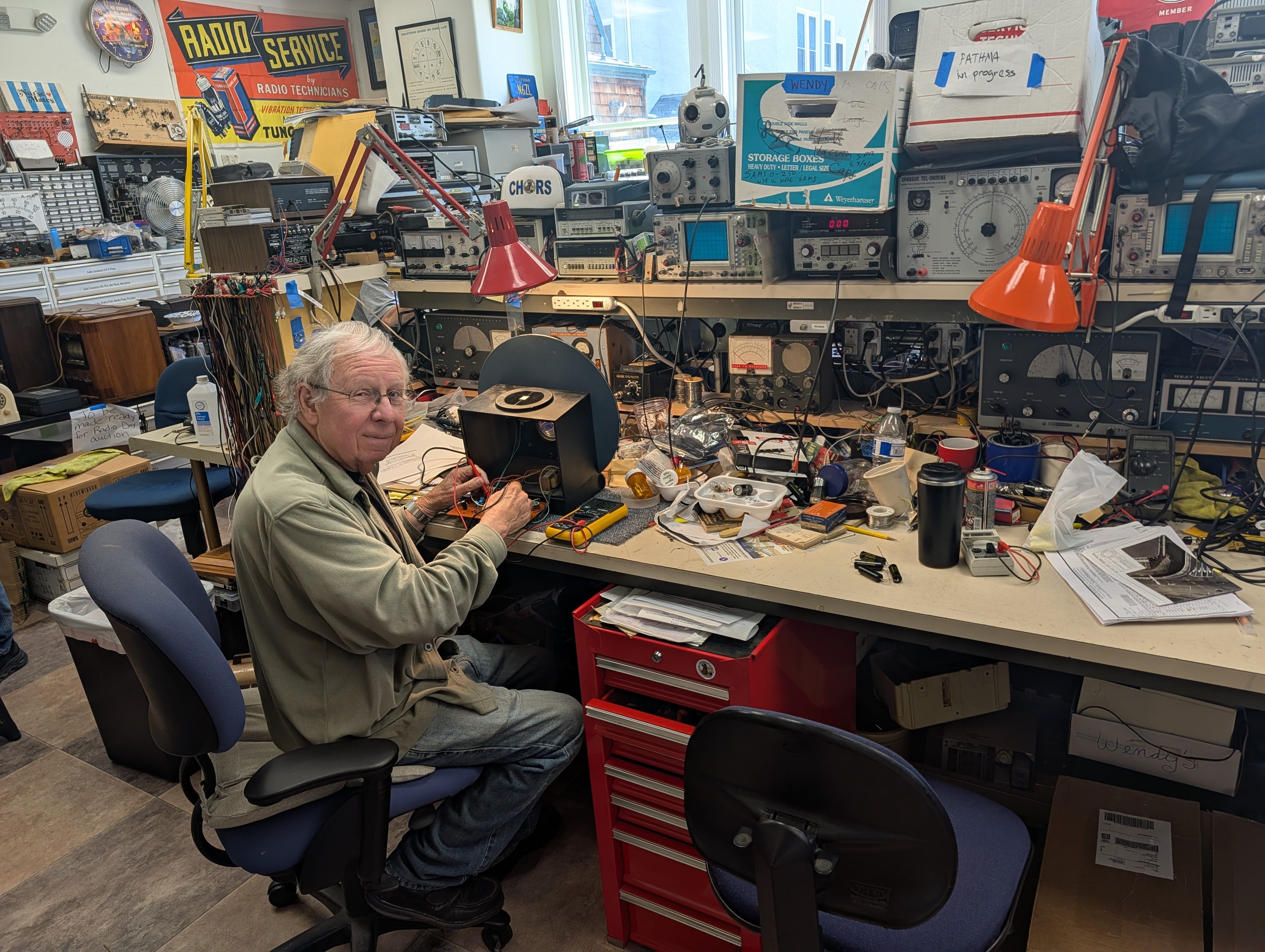
They also offer radio-repair and restoration classes throughout the year, for both adults and kids. “Most of the tech we use in everyday life is not easily deconstructed and put back together, and it runs on a chip that just does ‘magic’ for you,” says Lee. “Radios were designed to be repaired — you can really dig into a five-tube radio and see a capacitor and understand what it does, or point to the switch and the line cord and replace them. For the tinkerer side of our youth, it’s very engaging and eye-opening to be able to actually work on this stuff.”
CHRS is also the home of the Bay Area Radio Hall of Fame, which honors the personalities and stations that made the Bay Area a cultural influence across the country. (BTW, I will be nominating legendary KMEL DJ Cameron Paul next year. Who’s with me?)
Next door is their broadcasting booth, where they teach both on-air and production skills in broadcasting and podcasting. They host school field trips where students write radio plays and public service announcements and record them through vintage microphones. They can record to tape, and digitize the audio to edit at home or at school. They even teach podcast marketing, to help grow an audience.
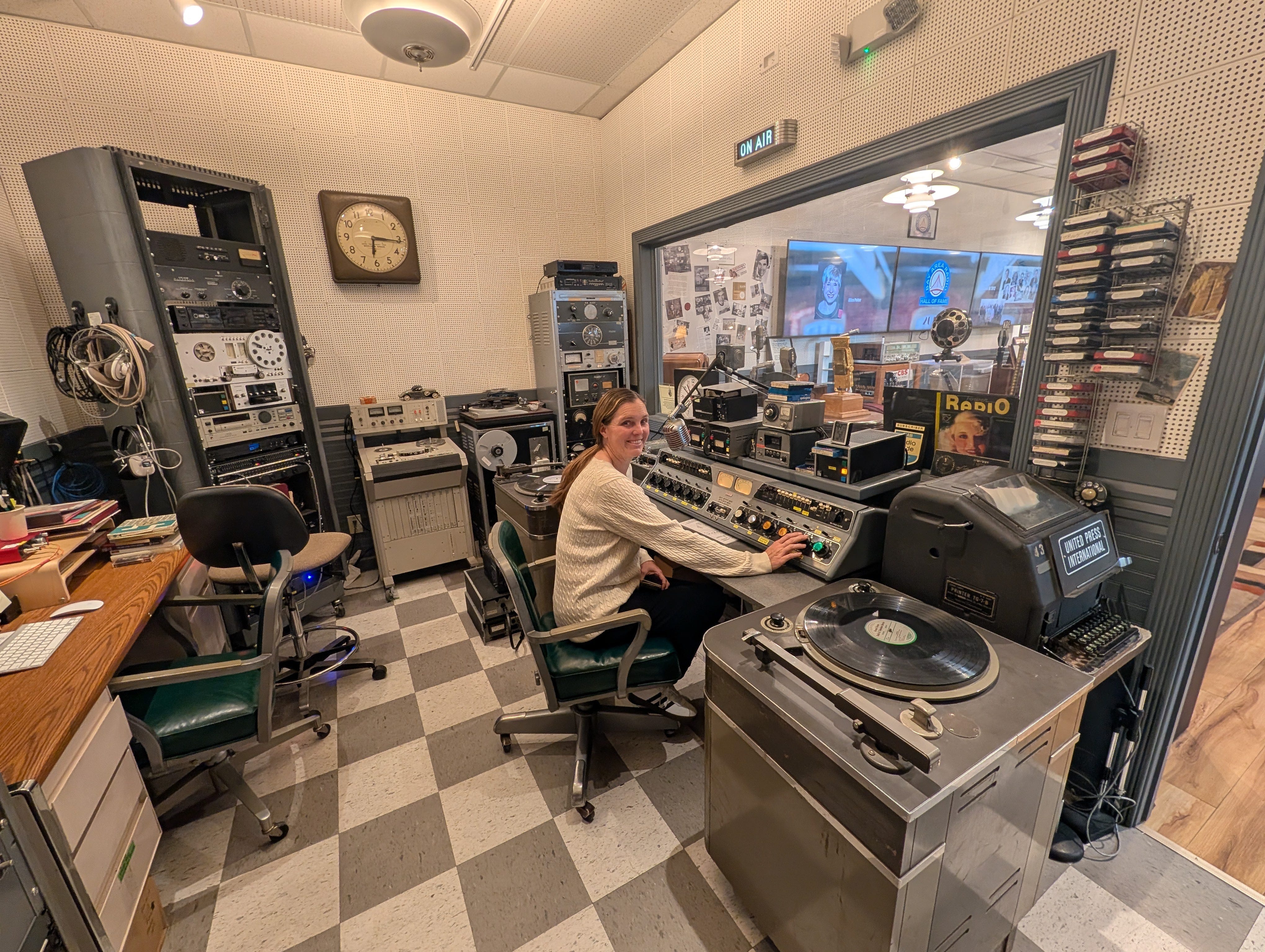
With all the historic radios, bustling workshop, broadcast booth, and all the beautiful signs and decorations adorning the walls, I thought my tour was over, but then Lee motioned toward a stairwell I missed. Moving downstairs, I was shocked to find areas dedicated to specialized areas of radio.


I recently went back to CHRS for their annual Radio Day by the Bay open-house event, which was packed with fun activities, including tours of their museum collections; demonstrations of vintage tech; ham-radio tutorials; a silent auction of rare collectibles; and a surplus-equipment sale featuring amazing bargains.
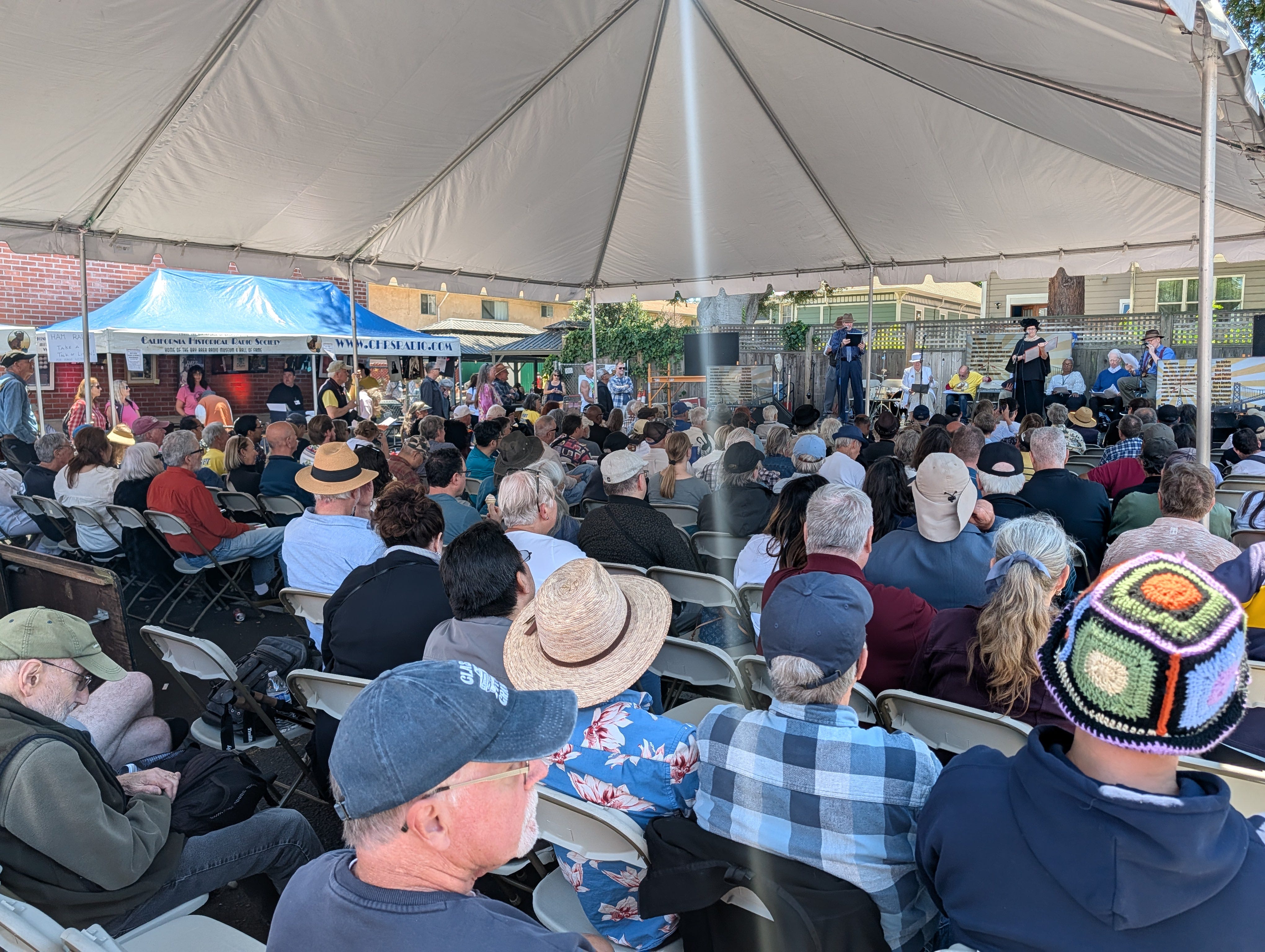
There were also performances, and I arrived just in time for a live radio play of an episode of The Thin Man, featuring Golden State Warriors PA announcer Steve Scott as Nick, former KCSM host Alisa Clancy as Nora, and a whole ensemble of Bay Area broadcasting celebrities bringing that story to life. It was a packed performance, and I marveled at how much the audience was enthralled in this modern age of cell phones and on-demand video.
I think the allure was a combination of the performers’ immense talent — these radio pros have made a career out of their voice work, after all — and an infectious enthusiasm that charmed the large gathering of curious spectators. They genuinely seemed to be enjoying themselves, and that encouraged the crowd to join in the fun — so much so that our laughter and (OK, I know this word will sound hokey, but it’s true) glee became part of the show. For those magic thirty minutes, we were all celebrating this art form.
If you have an interest in electronics, or just fond memories of turning the radio up for that sweet sound, plan your own free tour of CHRS and also check out their upcoming calendar of events. It’s a rare chance to rediscover a cultural phenomenon and experience how radio emotionally connects people through sound.